Community social characterization
Most represented groups in the Via Scarpa and San Lorenzo area are middle class citizens and university students and workers. Tourists and temporary city users (Tiburtina, Rome’s second railway station). For Giardino Nicolini group of users span from students to local residents.
Governance in the pilot case
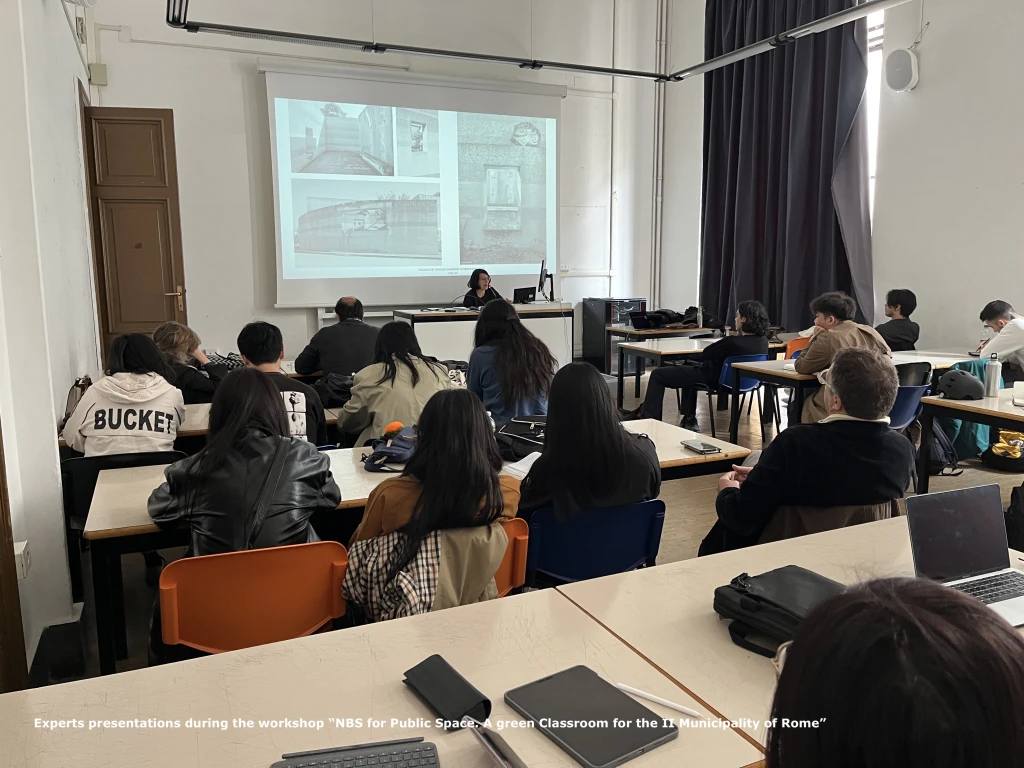
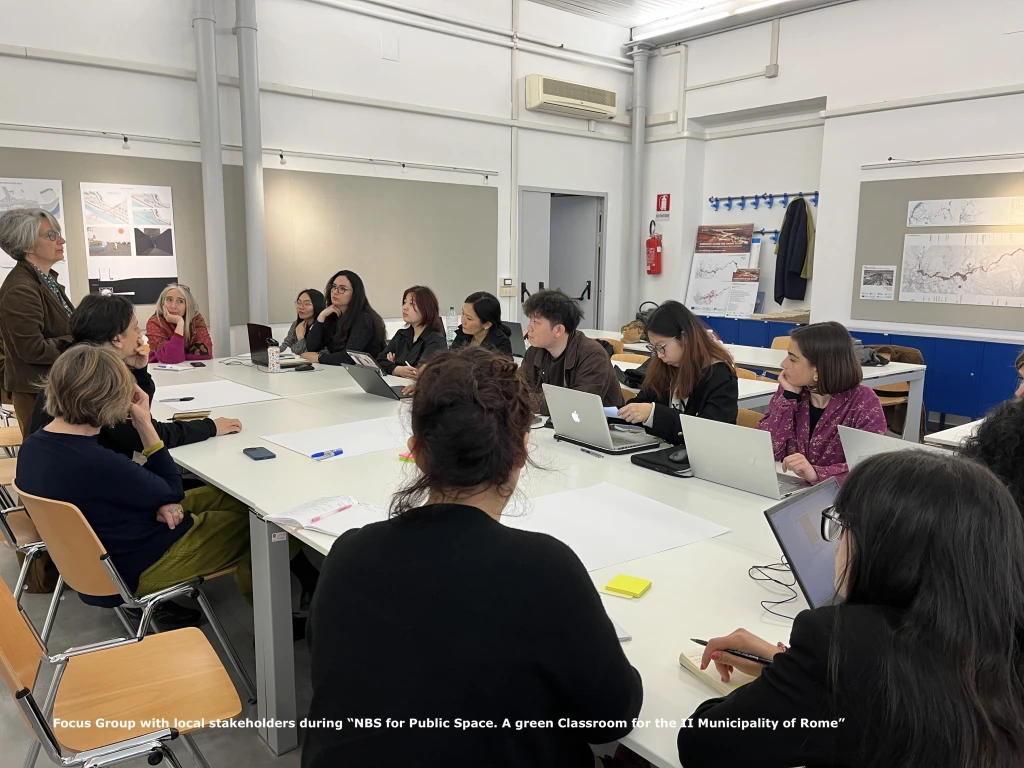
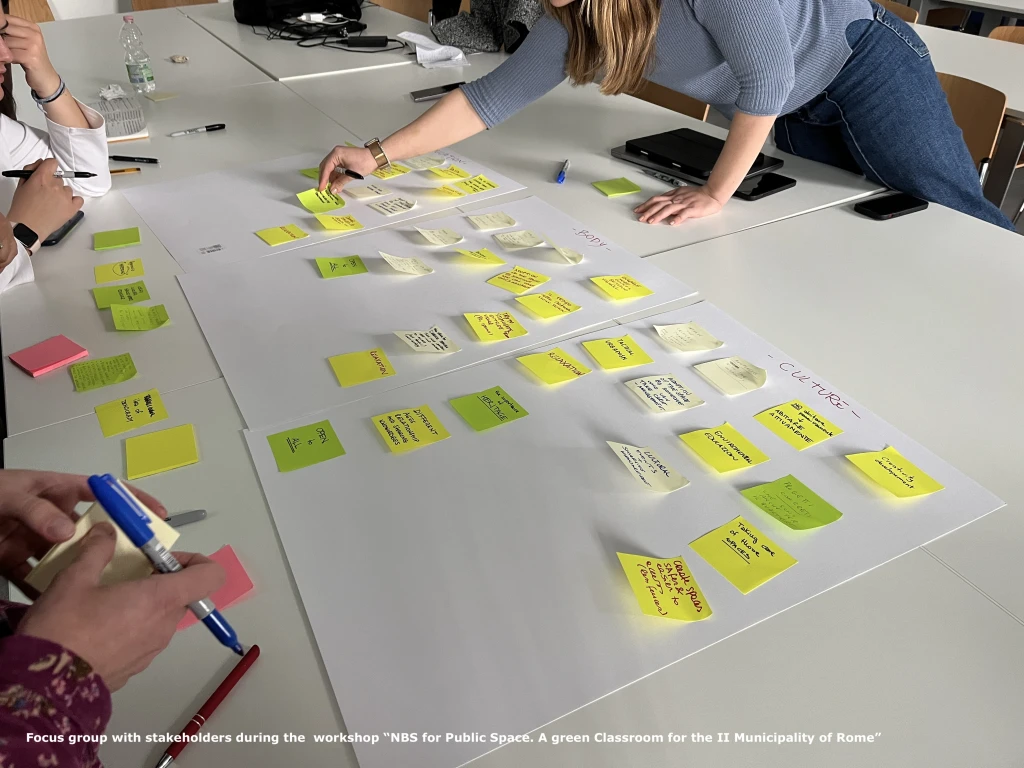
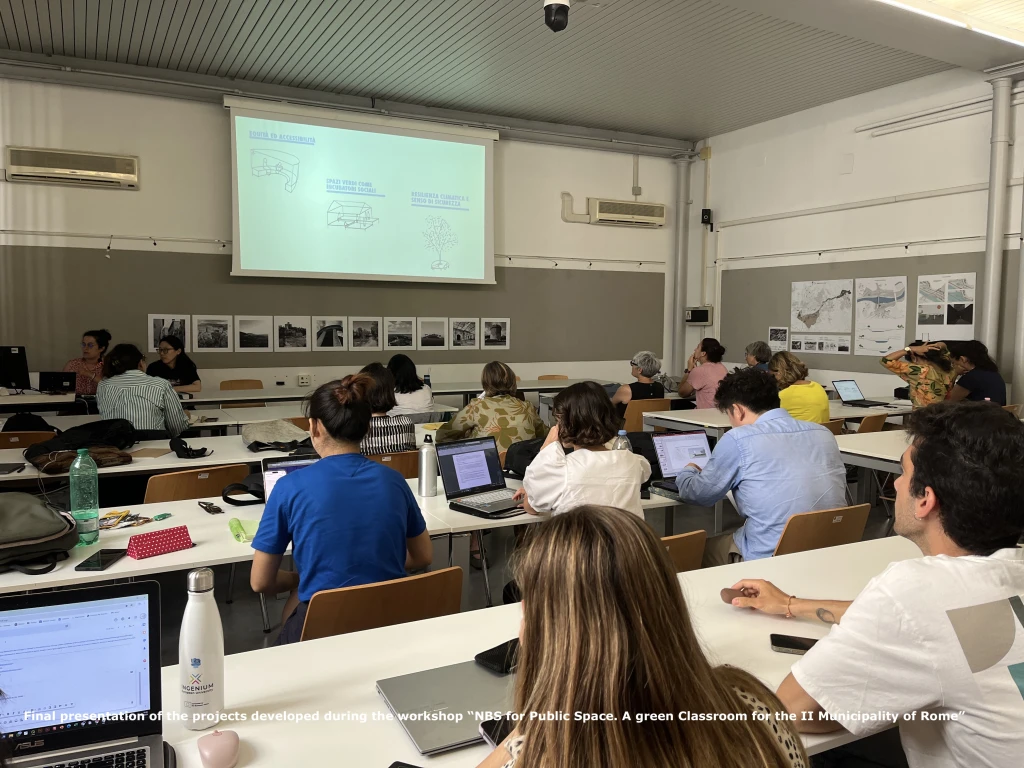
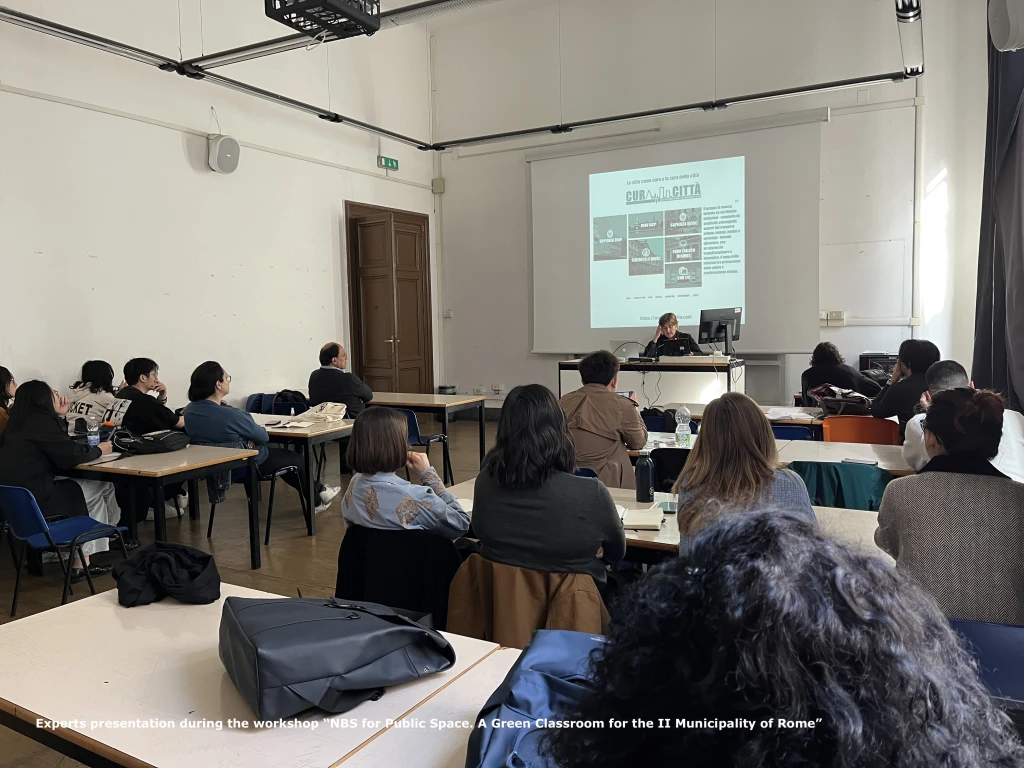
The Sapienza Department of Architecture and Design co-leading a local Living Knowledgeg Lab with institutional (II Municipality) and local stakeholders to represent the foster co-creation of NBS and implementation of the project.
Motivation of the pilot
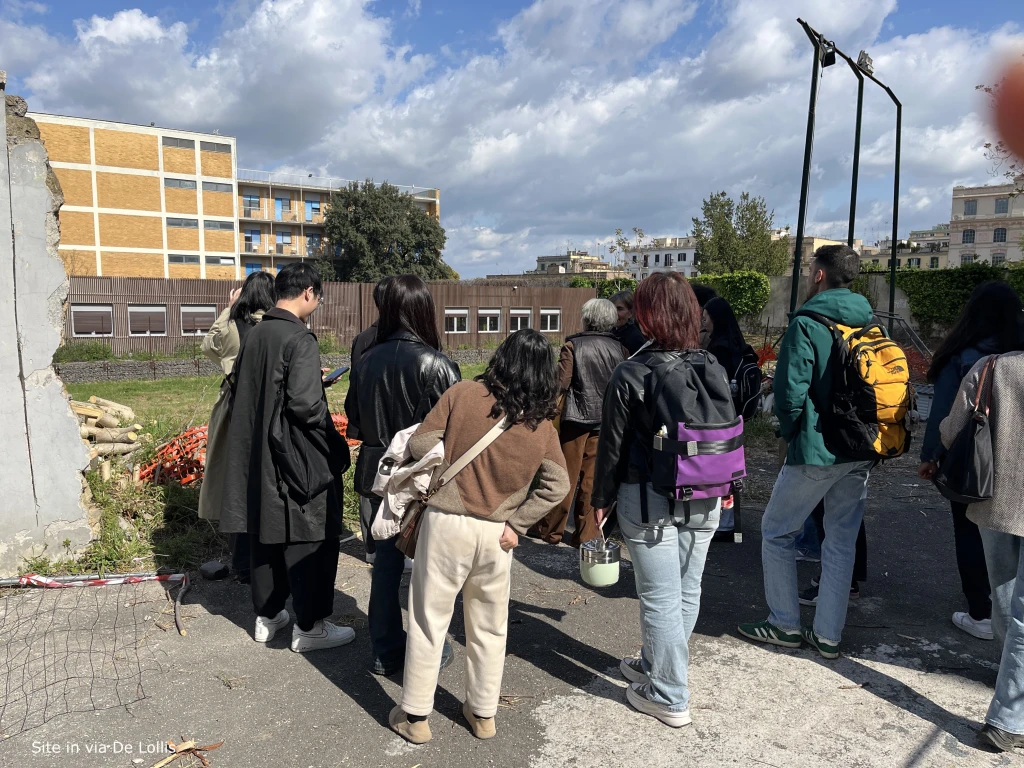
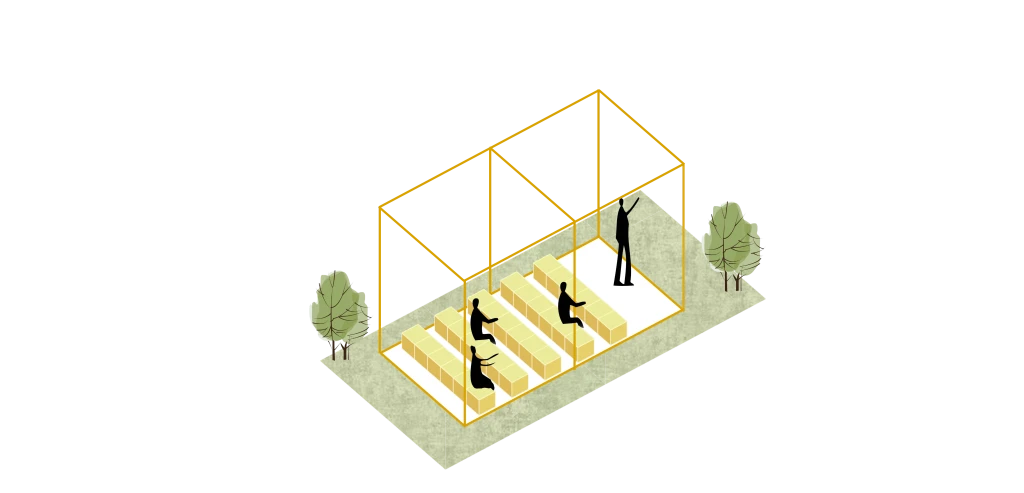
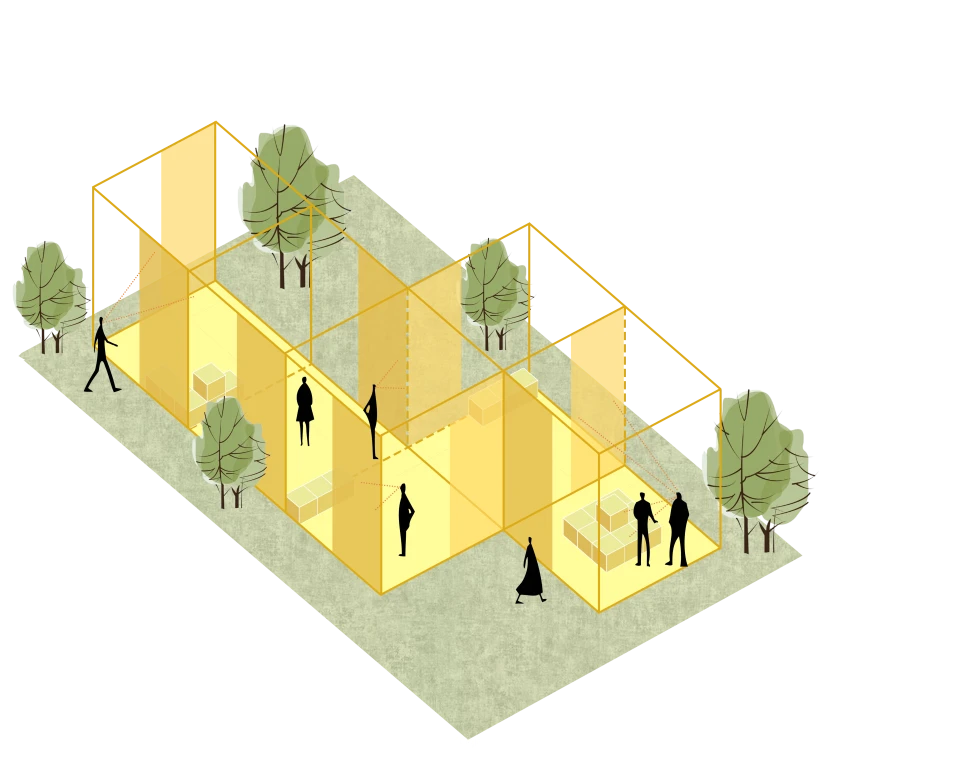
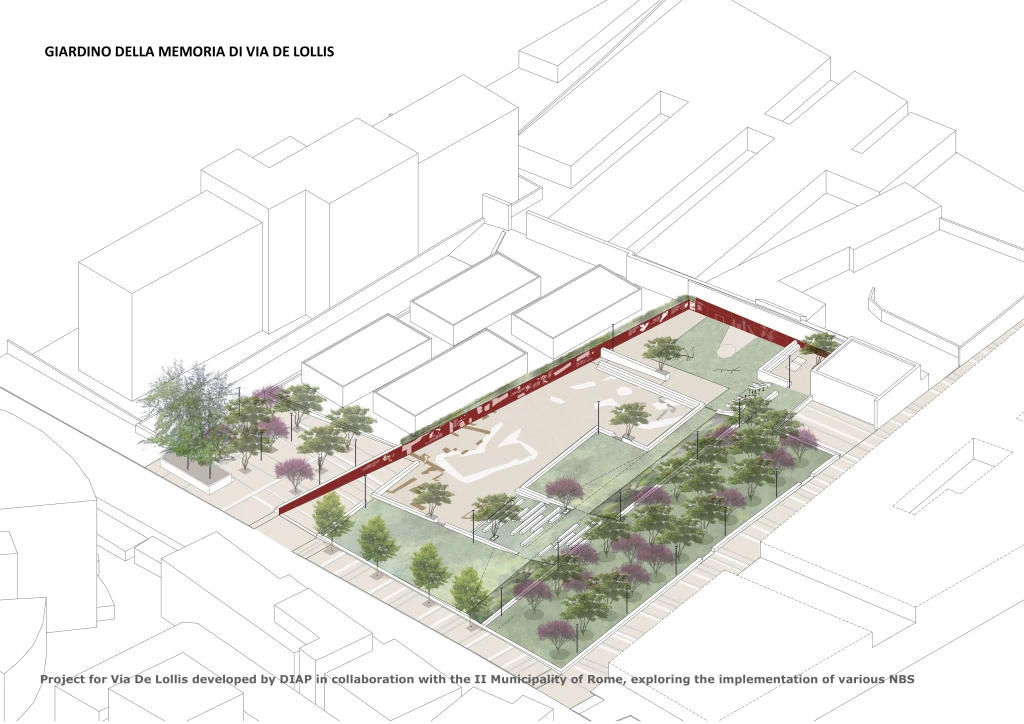
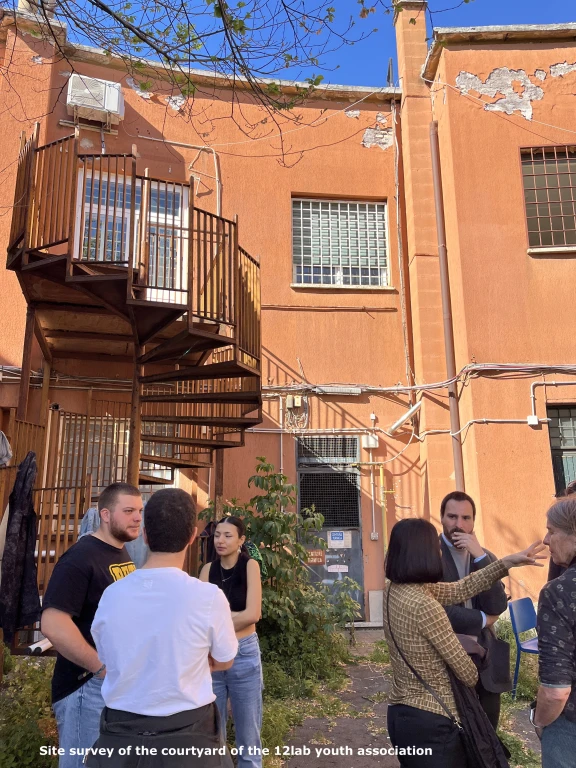
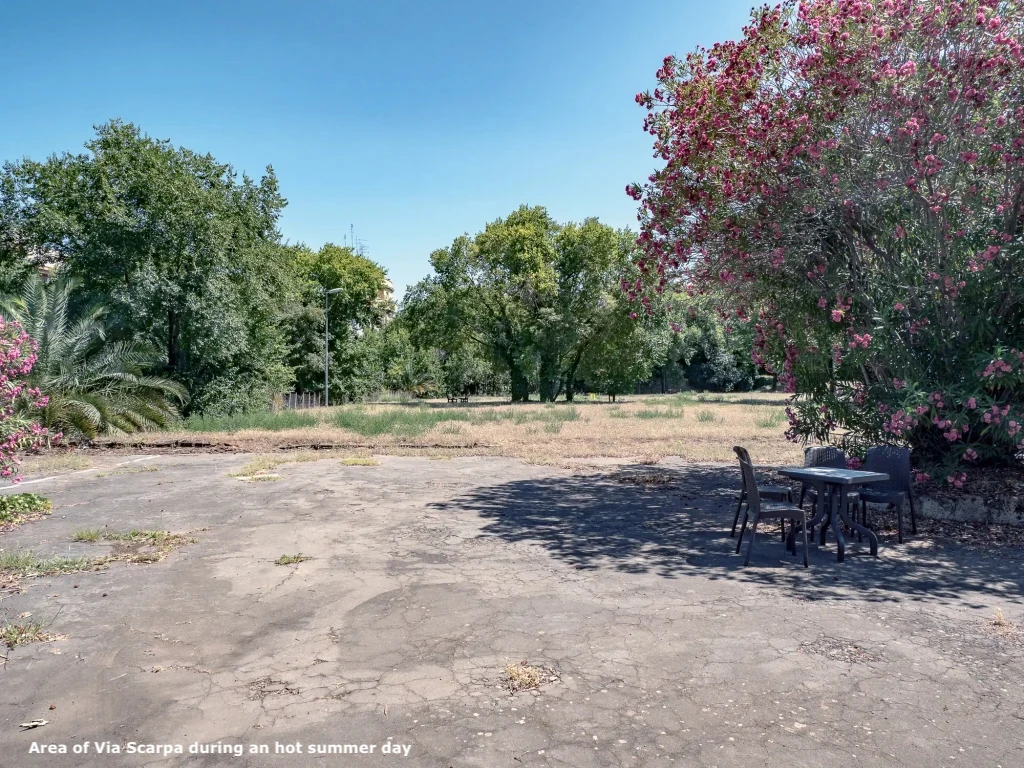
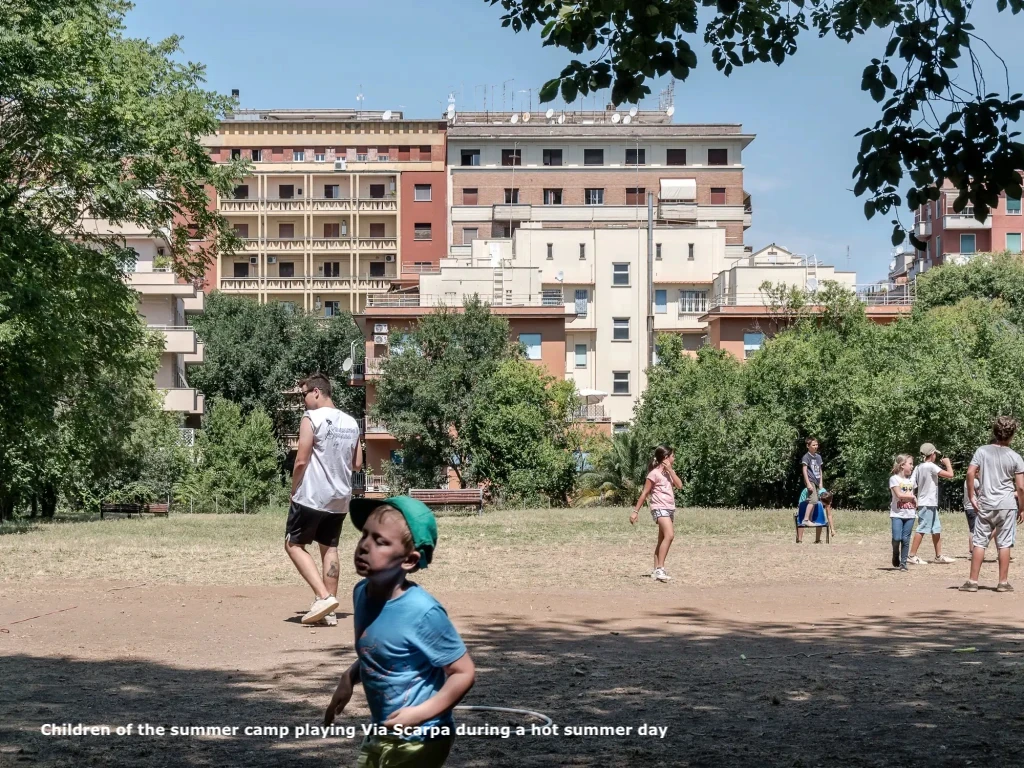
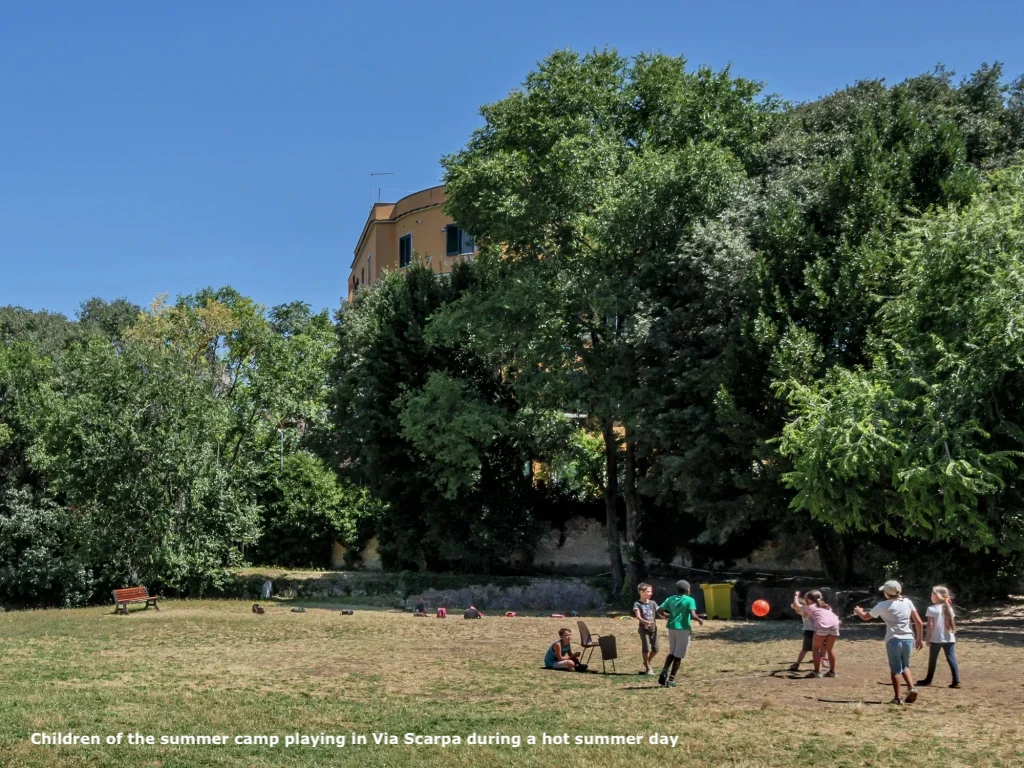
Population density, pollution, services for the neighborhood, lack of green spaces are all aspects that affect our way of life, health and well-being. In Rome, many city’s open spaces are in a state of neglect, especially outside the historic city center. The goal of the pilot is to restor and activate an open green space in the area of via De Lollis and to test a prototype of green classroom for the municipality that can act as a model for the development of other green spaces.
Local governance profile
DiAP (Department of Architecture and Design), Rectorate of Sapienza, Rome Municipality II, City Planning Dept. of Rome and Superintendency for the Archaeology and Environment, local schools, local associations and NGOs.
Target group
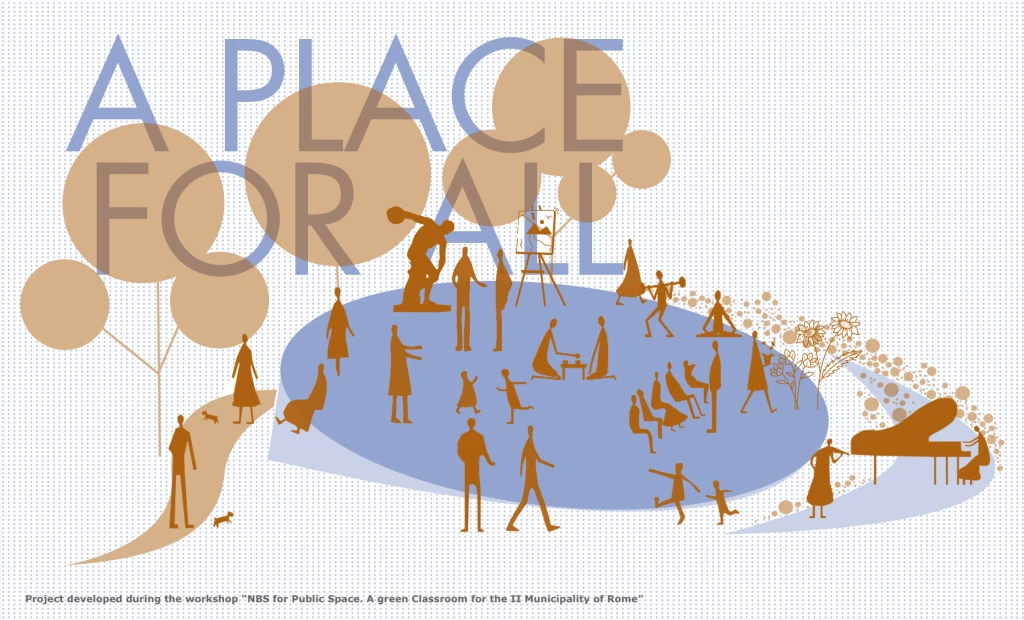
Students of all levels, women, elderly people. Local citizens, people working at the university, and visitors of archaeological areas.
Existing NBS applications and initiatives
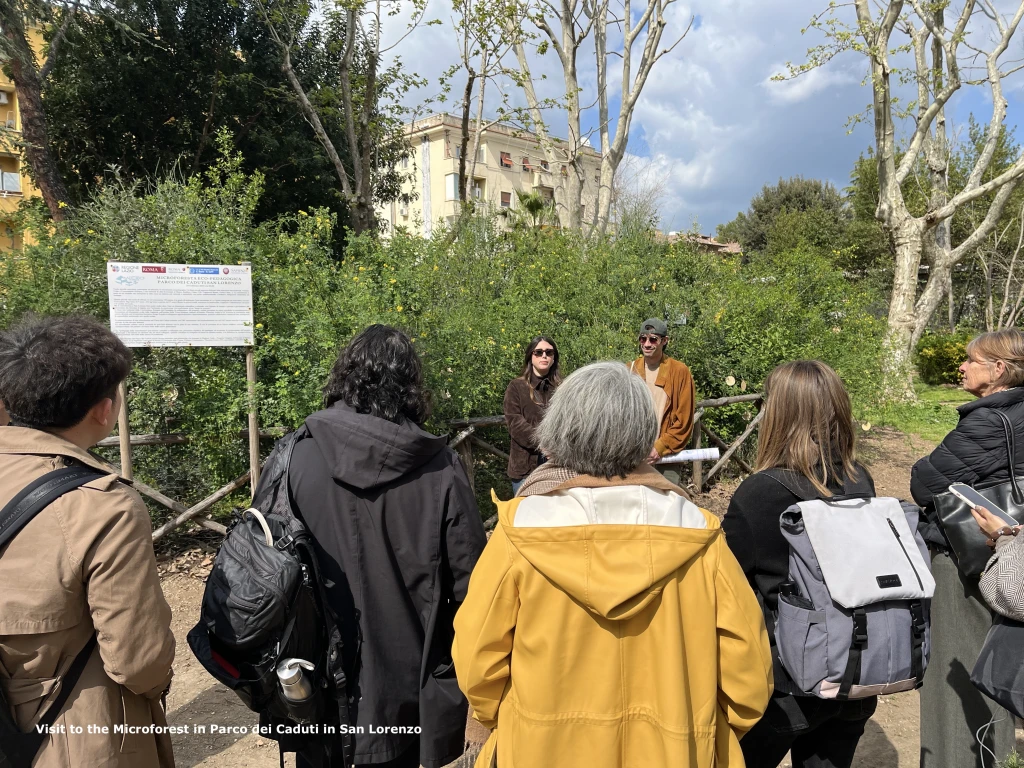
Microforest in San Lorenzo, Urban Forestation and NBS for a sustainable future (ISPRA); Biodiversity Center (CNR), ongoing PNRR research on Biodiversity, Forestation and creation of Green corridors, Tree Room Aniene (FutureEcologies).
Small scale NBS testing
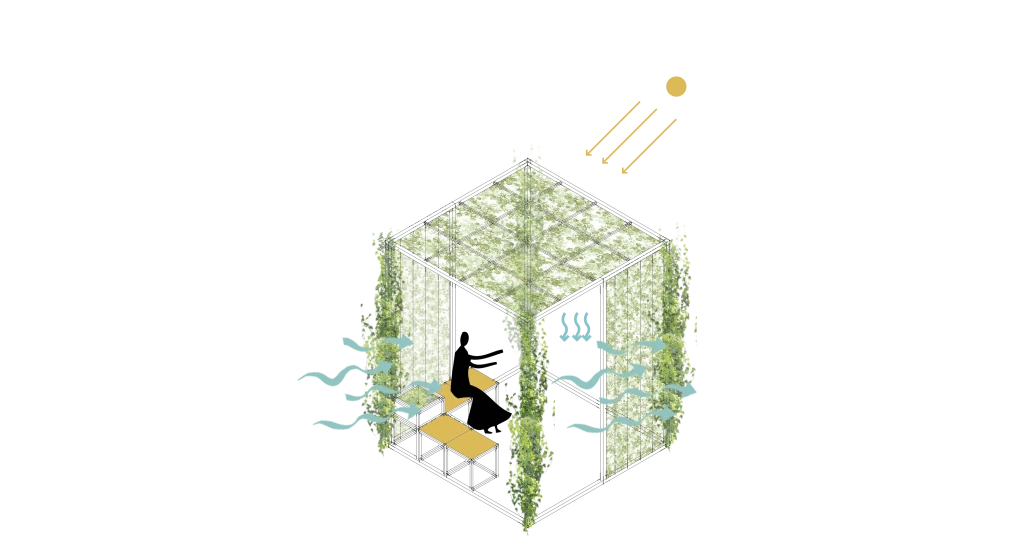
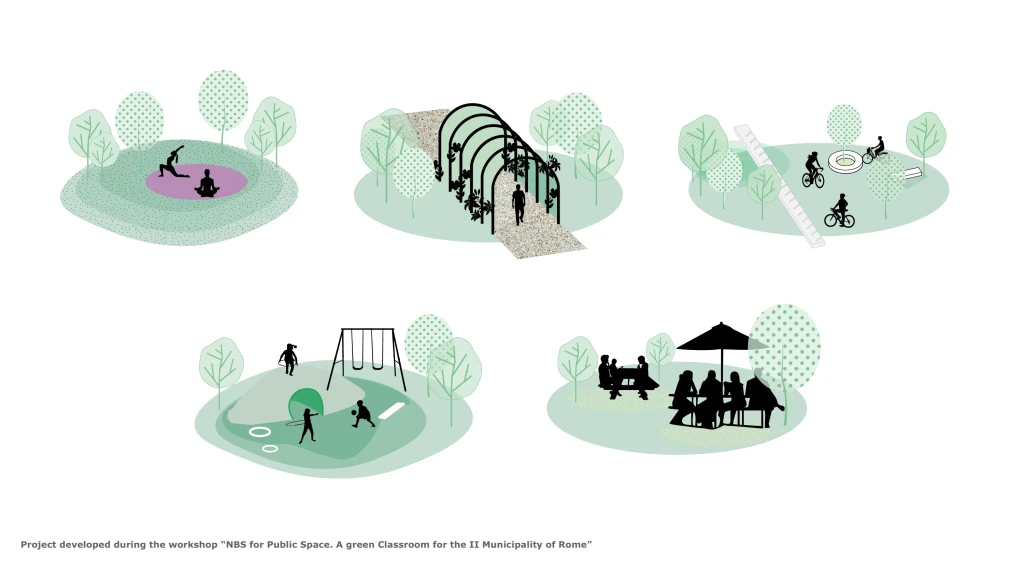
Implement a prototype of Green Classroom to be able to redesign public space in a more sustainable way. Increase in accessibility for children, spaces to rest and study, practice sports in the open air.
Leverage resources for NBS
Local bottom up initiatives emerged during the pandemic period to request for green and recreational areas, it especially reflected the need of young people to have places to study and learn open air. Moreover, the II Municipality of Rome has deliberated on the necessity of implementing Green Classrooms in its open public spaces
Challenges raised during the preparatory meetings
During the meeting emerged the need to include experts in participatory processes in the Sapienza research team.
Environmental Challenges
Mitigation of heat island effects and improvement of air quality; increase the biodiversity and the quality of ecosystem services offered in the urban community; enhancement of the quality of public space; improvement of sustainable mobility, access and fruition of archaeological sites.
Who owns the land?
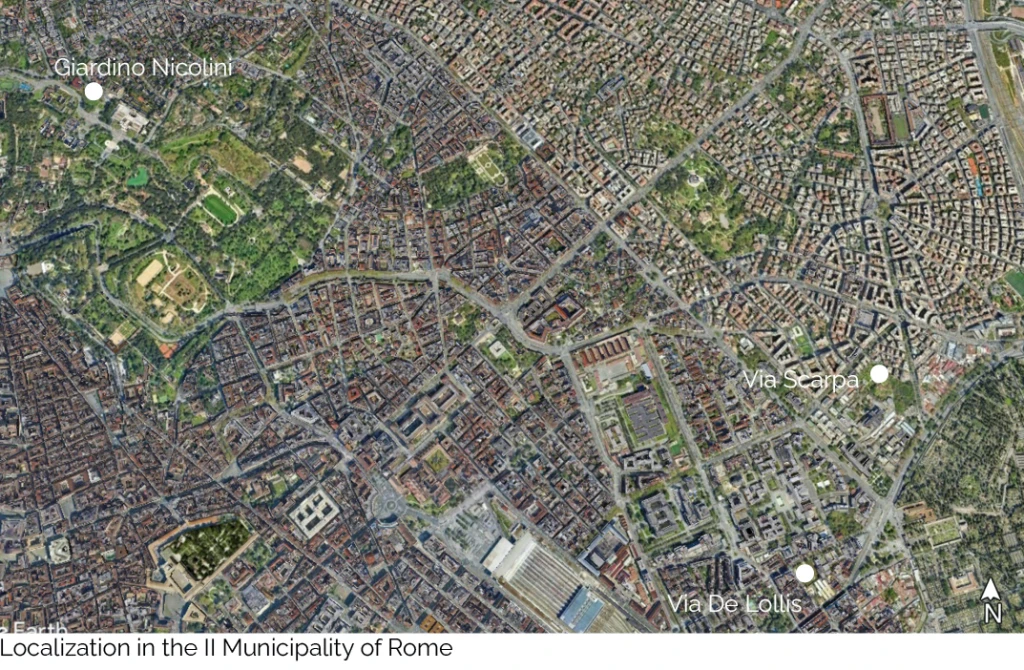
Giardino Nicolini: II Municipality of Rome; De Lollis: II Municipality of Rome and Sapienza University; Via Scarpa: Sapienza University.
Social Challenges
To facilitate the interaction and exchange between the
different communities of inhabitants: seniors (over 65%)
and children (under 15) (35%). 12% of foreign population.
Related projects to create synergies
Microforest of San Lorenzo, project lead by Prof. Fratini from the Department of DICEA of Sapienza; Tree Room Aniene project by artist/engineer AndreCo.
Economic Challenges
Worldwide, universities are engines of urban regeneration. Knowledge Economy can encourage integrated-sustainable-oriented practice and the synergy between the university and the II Municipality can trigger a new model of collaboration between these two public entities.
Possible local partners, associations, initiatives and champions to be engaged
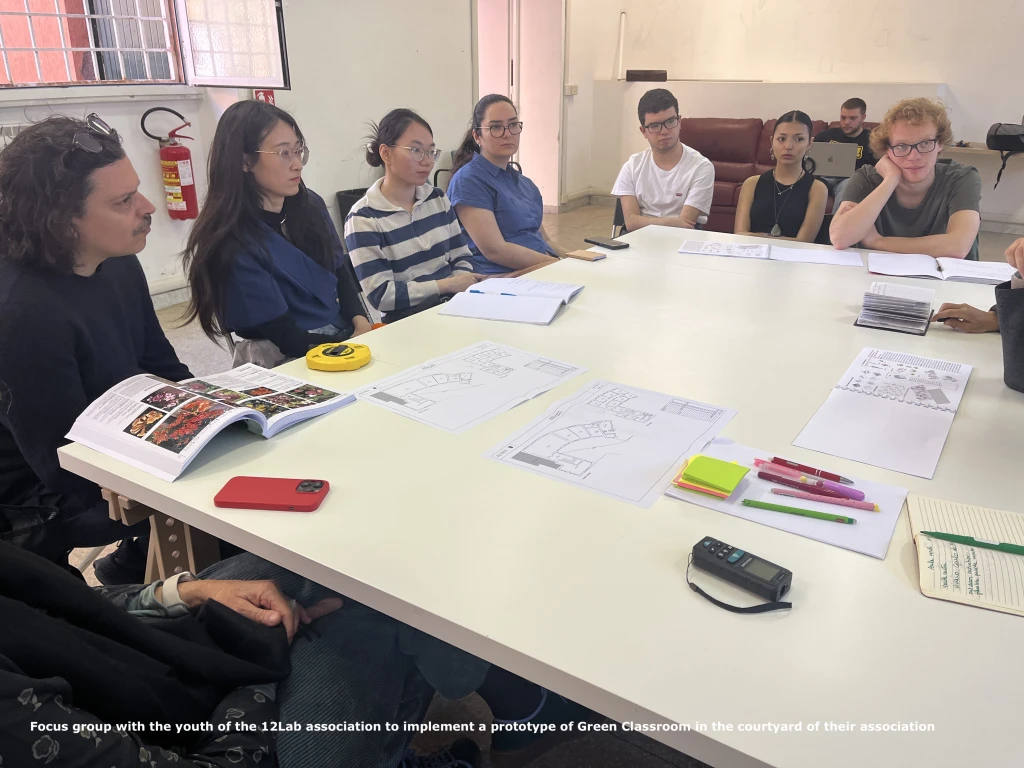
Sapienza students and PhD students, Istituto Comprensivo Tiburtina Antica (Elementary school), Parent Association of Istituto Comprensivo Tiburtina Antica, La Gru Association, Istituto Comprensivo Machiavelli (High School), Dr. Andrea Conte (FutureEcologies), Prof. Fabiola Fratini (DICEA, Sapienza University), 12Lab (Youth Association).