Community social characterization
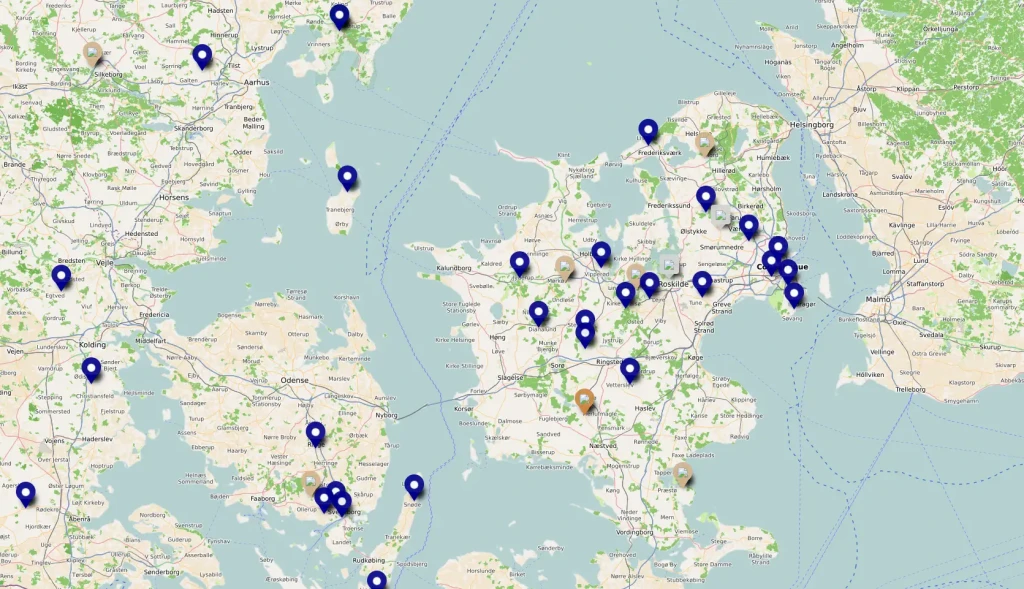
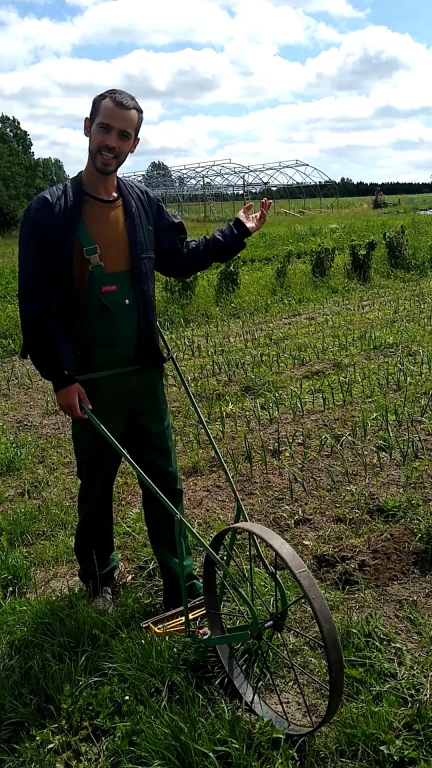
Regenerative farming network is a community of farmers located throughout Denmark. The network consists of different types of farmers and people interested in regenerative farming: young small-scale farmers, established farmers who want to transition from industrial farming to regenerative practices.
Governance in the pilot case
The farmers are skilled in self-organising, and creating platforms and spaces for knowledge sharing, therefore they succeeded in organising a bottom-up successful initiatives. The pilot is aimed at connecting the farmers through horizontal processes with other types of actors, such as municipality and international networks
Motivation of the pilot
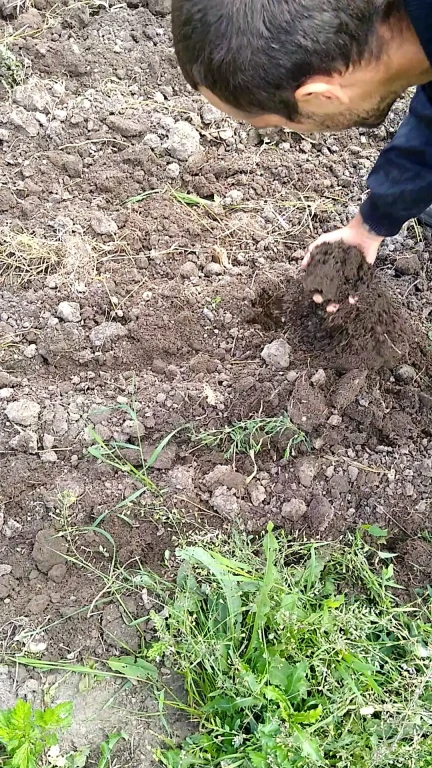
Regenerative approach to farming and to human-nature relations in general as a “solution” to sustainability crises. Regenerative approach implies agriculture based on nature restoration. Regenerative farming is based on the principles of 1. continuous soil coverage with “green cover” to avoid risk of erosion, loss of living microorganisms and fertile topsoil. 2. Minimum soil disturbance 3. Agriculture must support soil microlite 4. Integration of farm animals into cultivation systems. In the pilot case we will be working with regenerative farmers to co-create understanding of how regenerative practices can be enabled in Denmark.
Local governance profile
Our ambition is to make it a farmer-led pilot with RUC as the main partner of the network.
Target group
Young precarious farmers, women farmers, established farmers interested in transitioning to regenerative agriculture.
Existing NBS applications and initiatives
The semi-formal network is already functioning autonomously at the level of individual, mainly precarious farmers who connect with each other through digital media and occasional seminars.
Small scale NBS testing
Sustainability of the regenerative farming network and its individual members.
Challenges raised during the preparatory meetings
It was suggested to focus more on éngaging other relevant actors besides the farmers
Leverage resources for NBS
We rely, firstly, on the already existing dynamics of the self-organized network with its knowledge-sharing digital platforms, as well as seminars organised by the farmers. Secondly, previous research that has been conducted in Roskilde University about the regenerative farmers, and, lastly, the FabLab project in RUC that works with the network.
Who owns the land?
Private land
Related projects to create synergies
A FabLab project led by Roskilde University initiated a series of meetings between interested actors related to regenerative agriculture topic. The pilot project will collaborate with the FabLab initiative to build on and enhance the collaboration.
Environmental Challenges
Denmark is known for highly efficient and productive farming systems. The members of the regenerative farming network are interested in re-thinking and searching for different ways of doing farming other than highly effective, production-oriented and industrial model, that leads to loss of biodiversity, soil degradation and nature-human relations.
Possible local partners, associations, initiatives and champions to be engaged
To be determined.
Social Challenges
Although the regenerative farming practices are aiming at producing environmentally beneficial outcomes (e.g. soil regeneration, biodiversity), it is unclear how they can be integrated at a societal level, given the high cost of regenerative production, as well as risk of exhaustion and burnout of the farmers.
Economic Challenges
Precariousness of farmers engaging in regenerative farming due to the fact that the practice does not fit into the production- oriented agri-food paradigm, and focuses on nature restoration.