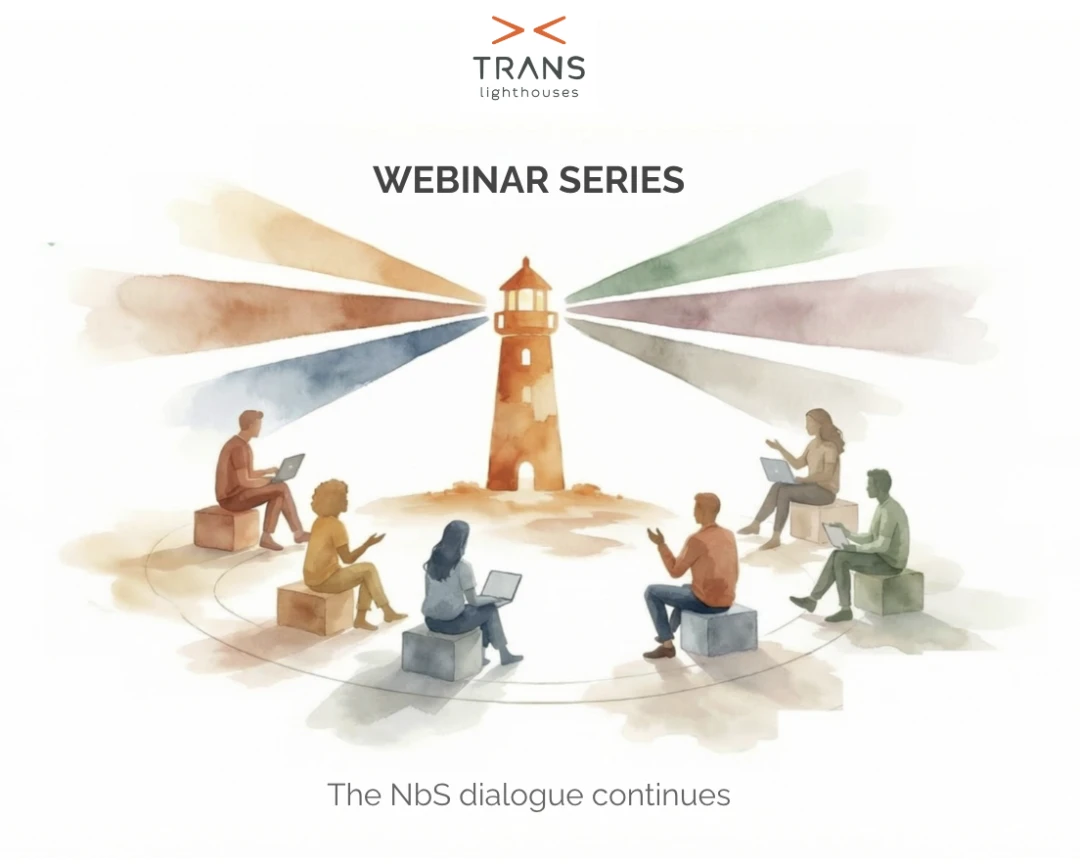
You haven't missed our webinar series, have you? The NbS dialogue continues.
Exploring the socio-political dimensions of NbS
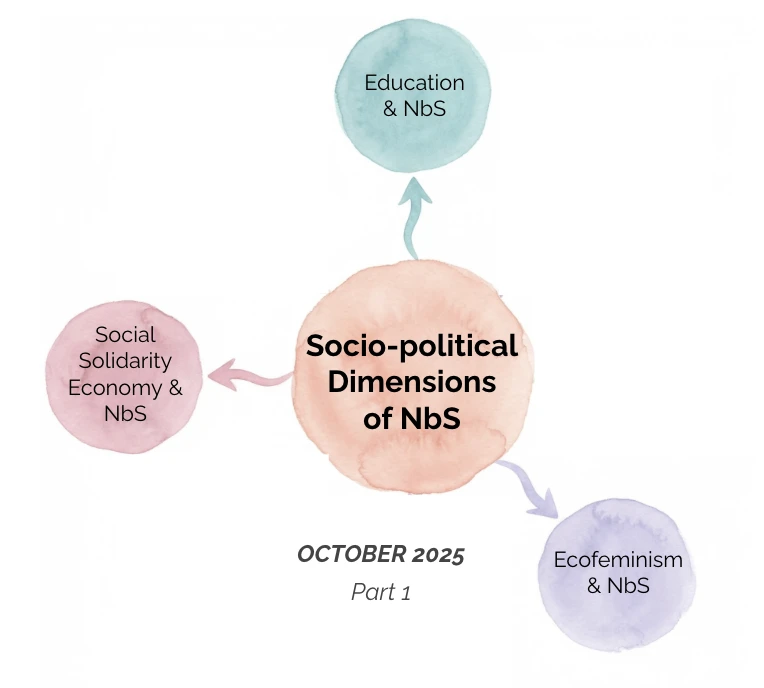
In October 2025, TRANS-lighthouses hosted a three-day webinar series exploring the socio-political dimensions of Nature-Based Solutions (NbS). These sessions served as a platform for experts and practitioners to exchange insights and cultivate discussions on the integration of environmental and social objectives. The series was integrated into the 8th Consortium Meeting, emphasizing the project's commitment to collaborative knowledge production.
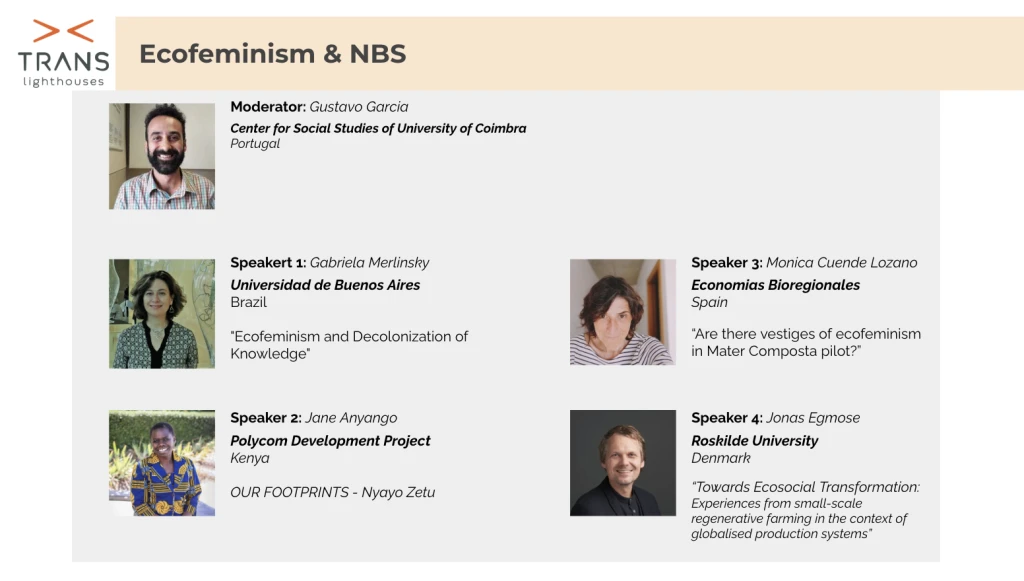
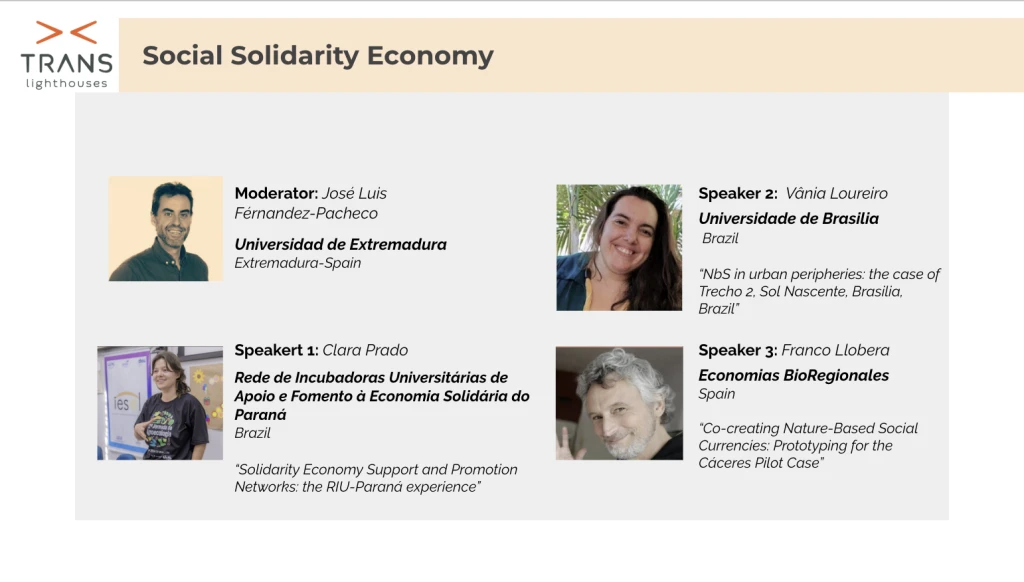
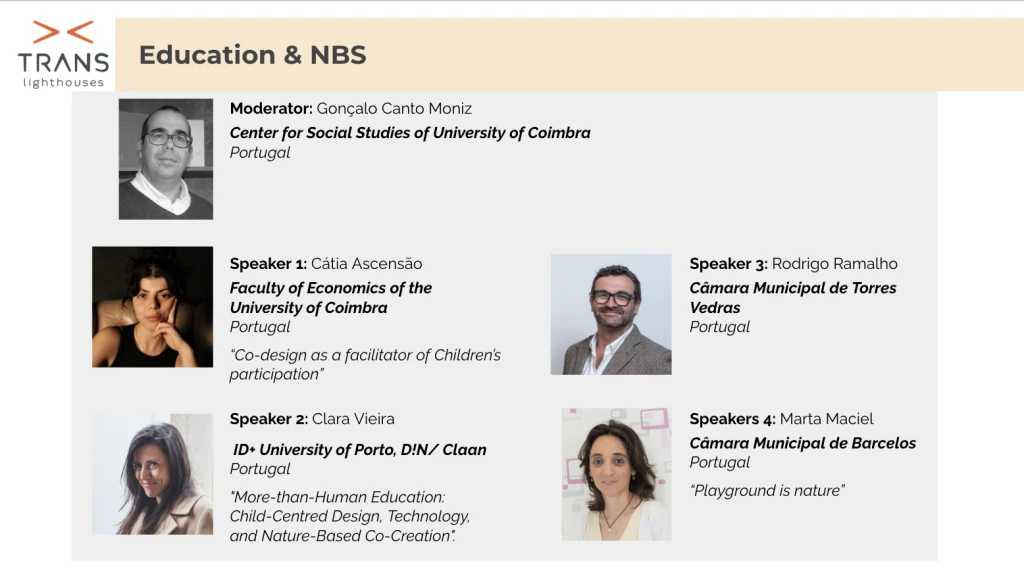
The first session, held on October 20th, addressed the theme of Ecofeminism & NbS. The webinar featured a global panel of speakers who examined the intersections of gender equity and ecological restoration. On the following day, October 21st, the discussion transitioned to the Social Solidarity Economy and NbS, where participants explored alternative economic models that prioritize social well-being and environmental sustainability. The October series concluded on the 22nd with a focus on Education & NbS, highlighting how pedagogical approaches can enhance public awareness and community engagement with NbS.
The three webinars from October can be watched in full on our Youtube channel! https://www.youtube.com/watch?v=4wsaxa5rZtQ&list=PL74_0xX27c1u9iddtH1jck6OQdcNWw1U5

Sharing knowledge for policy and practice
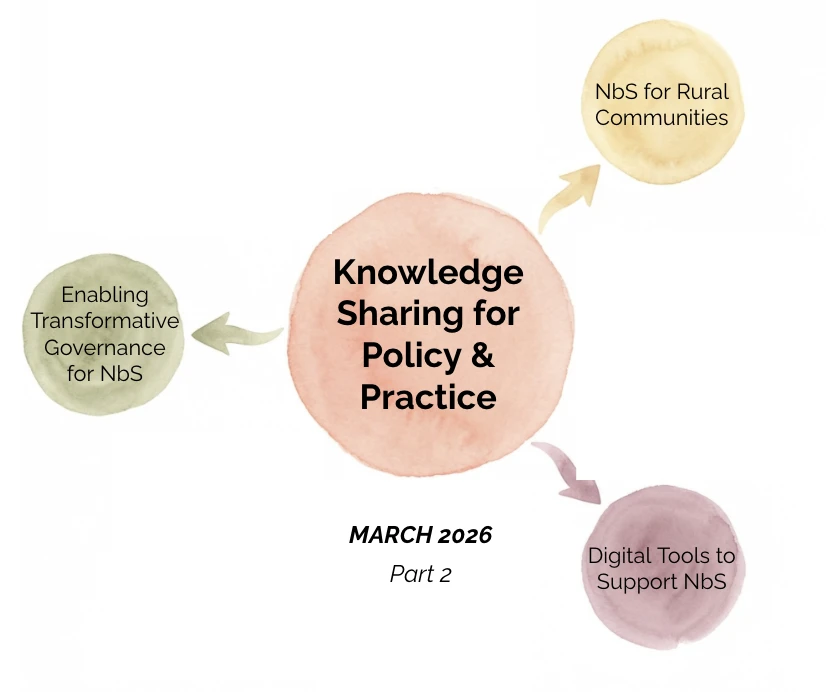
Building on the reflections initiated in October, the second part of the webinar series took place in March 2026, focusing on how experiences from different territories can inform policy and practice around NbS.
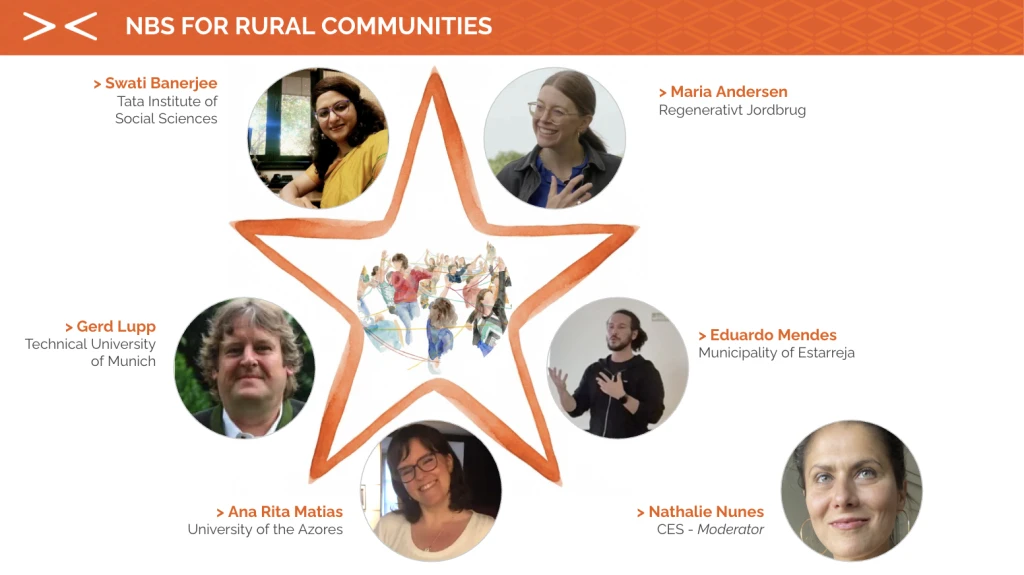
The first session, held on March 16, focused on NbS for Rural Communities. The presentations addressed forest and landscape management practices in mountain regions, community-based conservation initiatives, and nature-based tourism linked to local well-being and territorial development. The discussion also explored participatory approaches supporting fishing communities affected by infrastructure projects, as well as regenerative farming practices reconnecting agriculture, food systems and land stewardship.
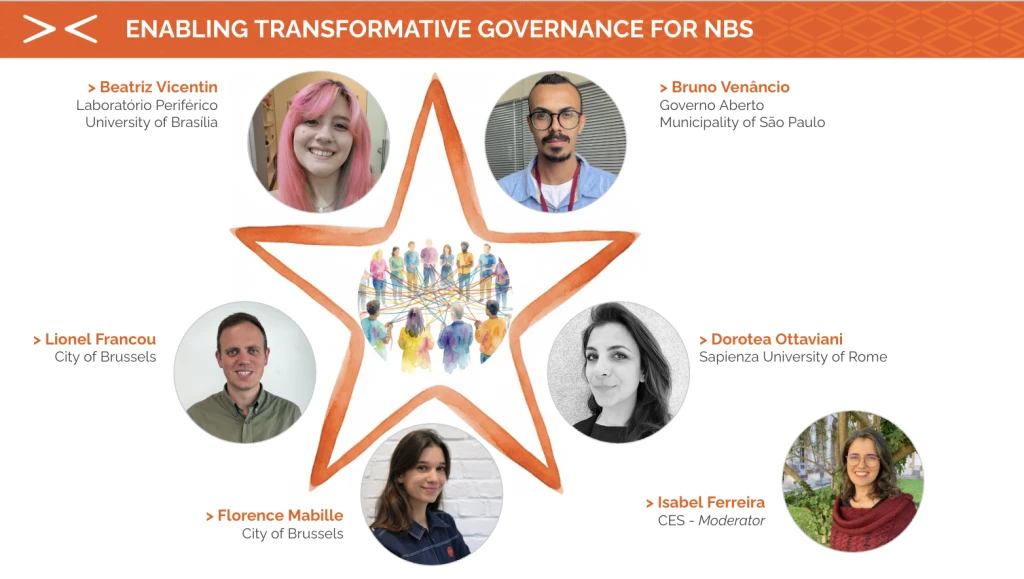
The second webinar, held on March 17, addressed transformative governance for NbS. Contributions examined socio-ecological patterns and environmental justice in peripheral neighbourhoods, open government initiatives linking citizen participation and NbS, and participatory rainwater management strategies in urban contexts. The session also explored collaborative governance practices connecting public space, education and ecological transition.
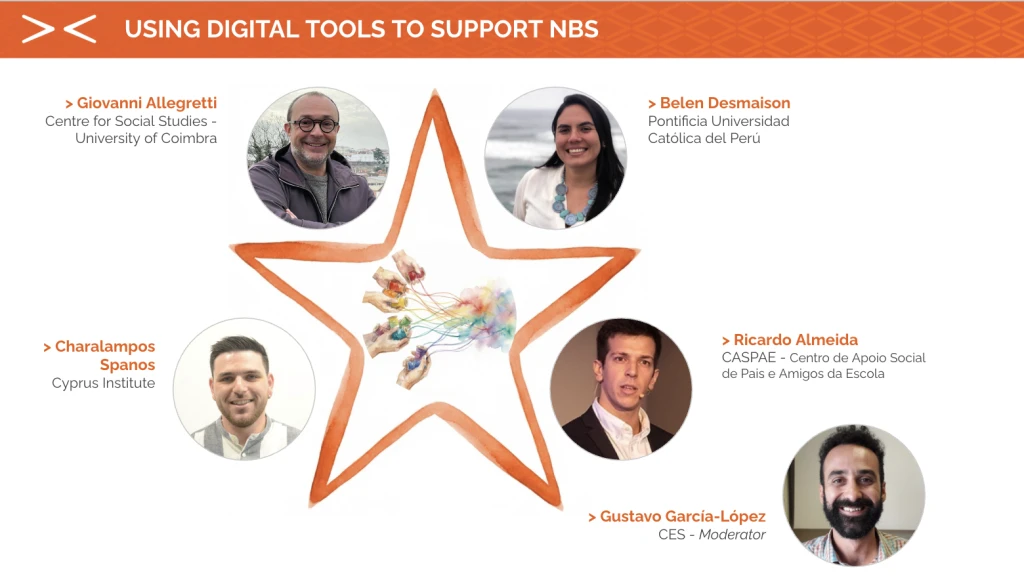
The final session, held on March 18, focused on the use of digital tools to support NbS. Presentations discussed the role of civic technologies in participatory governance, digital platforms supporting community co-design processes, and educational initiatives combining programming and environmental learning. The session also presented technological infrastructures developed to support research and environmental monitoring in remote ecosystems.
Across the two series, the webinars highlighted the value of dialogue between research, policy and practice in advancing NbS. Together, the sessions connected conceptual reflections with concrete experiences from different territories, governance contexts and technological approaches.
Recordings of the March webinars are available on our YouTube channel. https://www.youtube.com/TRANS-lighthouses/webinars
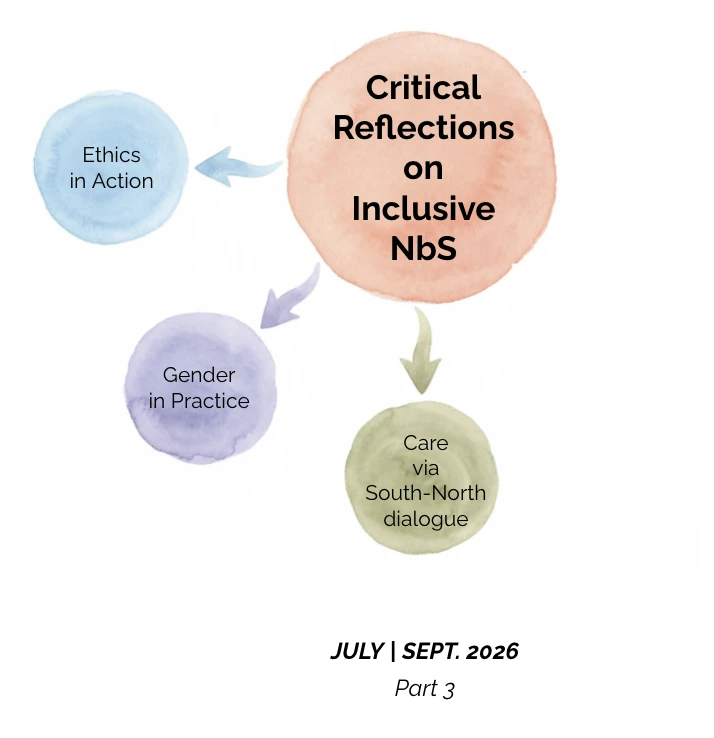
The TRANS-lighthouses Webinar Series returns in July 2026 with its third chapter: Critical Reflections on Inclusive Nature-based Solutions
Building on the collective experience of the TRANS-lighthouses project, this new series invites researchers, practitioners, public authorities and everyone interested in Nature-based Solutions to reflect on what it takes to make NbS truly inclusive.
Through the complementary lenses of ethics, gender and care, the webinars connect field experiences, project governance and research practice to identify challenges, share lessons learned and discuss recommendations for future NbS initiatives. Join us as the NbS dialogue continues.
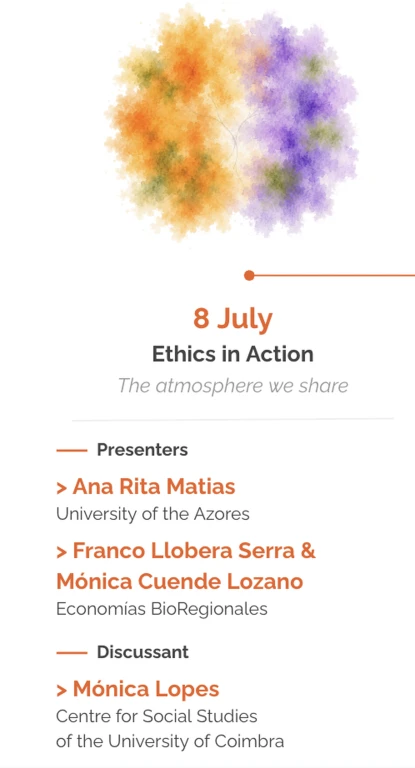
- Ethics in Action – The atmosphere we share (8 July 2026)
- Gender in Practice – The structure we build (21 Sept. 2026)
- Care via South-North Dialogue – The roots we nurture (28 Sept. 2026 | TBC)
As with the previous editions, recordings and presentation materials will be made available after each session.
Stay tuned to our social media for updates on the detailed programme.
https://www.linkedin.com/company/trans-lighthouses
Explore the image gallery below to discover the people who shaped this exchange.
You haven't missed our webinar series, have you? The NbS dialogue continues.
Exploring the socio-political dimensions of NbS
In October 2025, TRANS-lighthouses hosted a three-day webinar series exploring the socio-political dimensions of Nature-Based Solutions (NbS). These sessions served as a platform for experts and practitioners to exchange insights and cultivate discussions on the integration of environmental and social objectives. The series was integrated into the 8th Consortium Meeting, emphasizing the project's commitment to collaborative knowledge production.
The first session, held on October 20th, addressed the theme of Ecofeminism & NbS. The webinar featured a global panel of speakers who examined the intersections of gender equity and ecological restoration. On the following day, October 21st, the discussion transitioned to the Social Solidarity Economy and NbS, where participants explored alternative economic models that prioritize social well-being and environmental sustainability. The October series concluded on the 22nd with a focus on Education & NbS, highlighting how pedagogical approaches can enhance public awareness and community engagement with NbS.
The three webinars from October can be watched in full on our Youtube channel! https://www.youtube.com/watch?v=4wsaxa5rZtQ&list=PL74_0xX27c1u9iddtH1jck6OQdcNWw1U5
Sharing knowledge for policy and practice
Building on the reflections initiated in October, the second part of the webinar series took place in March 2026, focusing on how experiences from different territories can inform policy and practice around NbS.
The first session, held on March 16, focused on NbS for Rural Communities. The presentations addressed forest and landscape management practices in mountain regions, community-based conservation initiatives, and nature-based tourism linked to local well-being and territorial development. The discussion also explored participatory approaches supporting fishing communities affected by infrastructure projects, as well as regenerative farming practices reconnecting agriculture, food systems and land stewardship.
The second webinar, held on March 17, addressed transformative governance for NbS. Contributions examined socio-ecological patterns and environmental justice in peripheral neighbourhoods, open government initiatives linking citizen participation and NbS, and participatory rainwater management strategies in urban contexts. The session also explored collaborative governance practices connecting public space, education and ecological transition.
The final session, held on March 18, focused on the use of digital tools to support NbS. Presentations discussed the role of civic technologies in participatory governance, digital platforms supporting community co-design processes, and educational initiatives combining programming and environmental learning. The session also presented technological infrastructures developed to support research and environmental monitoring in remote ecosystems.
Across the two series, the webinars highlighted the value of dialogue between research, policy and practice in advancing NbS. Together, the sessions connected conceptual reflections with concrete experiences from different territories, governance contexts and technological approaches.
Recordings of the March webinars are available on our YouTube channel. https://www.youtube.com/TRANS-lighthouses/webinars
The TRANS-lighthouses Webinar Series returns in July 2026 with its third chapter: Critical Reflections on Inclusive Nature-based Solutions
Building on the collective experience of the TRANS-lighthouses project, this new series invites researchers, practitioners, public authorities and everyone interested in Nature-based Solutions to reflect on what it takes to make NbS truly inclusive.
Through the complementary lenses of ethics, gender and care, the webinars connect field experiences, project governance and research practice to identify challenges, share lessons learned and discuss recommendations for future NbS initiatives. Join us as the NbS dialogue continues.
- Ethics in Action – The atmosphere we share (8 July 2026)
- Gender in Practice – The structure we build (21 Sept. 2026)
- Care via South-North Dialogue – The roots we nurture (28 Sept. 2026 | TBC)
As with the previous editions, recordings and presentation materials will be made available after each session.
Stay tuned to our social media for updates on the detailed programme.
https://www.linkedin.com/company/trans-lighthouses
Explore the image gallery below to discover the people who shaped this exchange.