Step into the Living Knowledge Labs at the heart of TRANS-lighthouses through our new video series, produced by our partner Jangada. These short films give space to the voices, practices and places where nature-based solutions are being co-created every day, with a strong focus on youth engagement, intergenerational dialogue and community-driven communication. From regenerative farming and bioterritorial composting to nature-rich schoolyards and community trails, the first four videos invite us to look beyond outcomes and explore how learning, social mobilisation and care for nature take shape across diverse local contexts. Stay tuned for the next four videos, which will complete the series.
Inside the series
At the heart of TRANS-lighthouses lies a shared conviction: nature-based solutions are not only technical interventions, but collective processes shaped by people, places and relationships. This new video series, created by our partner Jangada, brings these processes closer to the public by foregrounding the voices and everyday practices emerging from the project’s Living Knowledge Labs.
Rather than showcasing finished results, the videos document how change takes shape in practice, through learning and unlearning, experimentation, dialogue and care. They reveal how diverse forms of knowledge coexist and interact: scientific expertise, local experience, cultural memory and embodied relationships with nature. In doing so, the series invites viewers to see nature-based solutions not as fixed models, but as evolving processes grounded in specific social and ecological contexts.
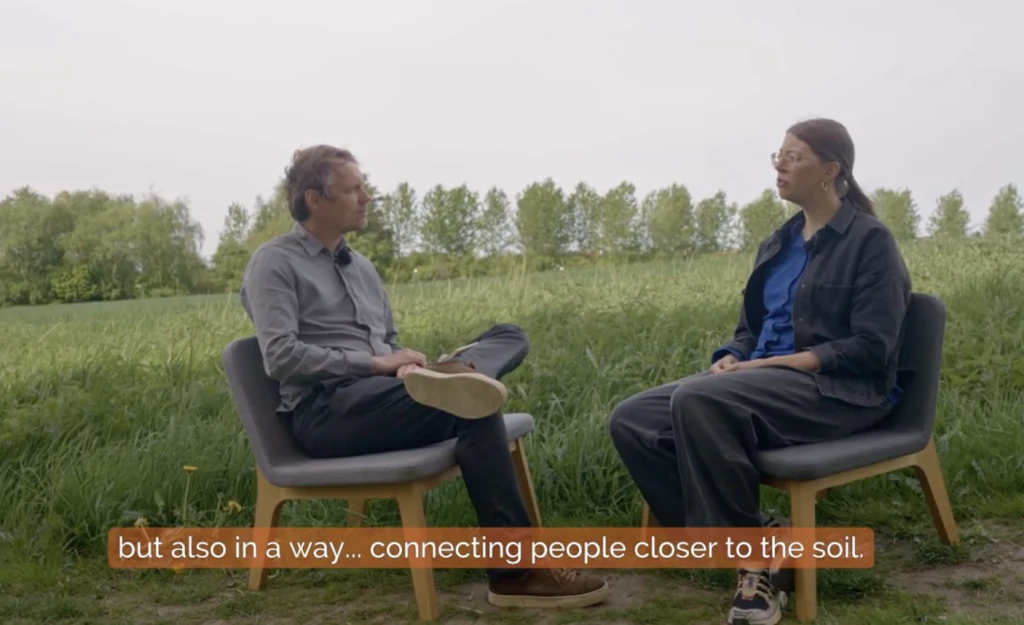
The journey begins in Roskilde, Denmark, where a network of young farmers is developing regenerative agricultural practices rooted in cooperation and shared learning. The video highlights how regeneration is not only about restoring ecosystems, but also about rethinking social and economic relationships with land, food and work. It captures how collective action enables new forms of stewardship and responsibility towards nature.
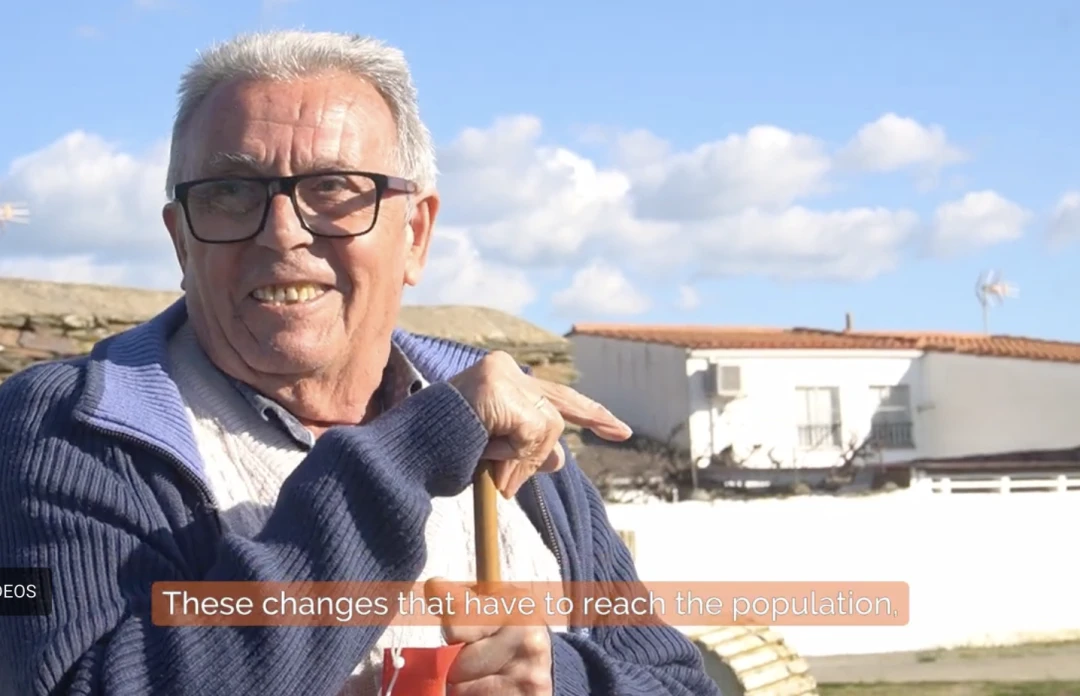
In Cáceres, Spain, the focus shifts to bioterritorial composting systems that connect urban and rural areas through circular practices. By transforming organic waste into a shared resource, local actors close ecological loops while strengthening collaboration between communities, municipalities and producers. The video illustrates how environmental practices become spaces for social innovation, dialogue and collective decision-making.
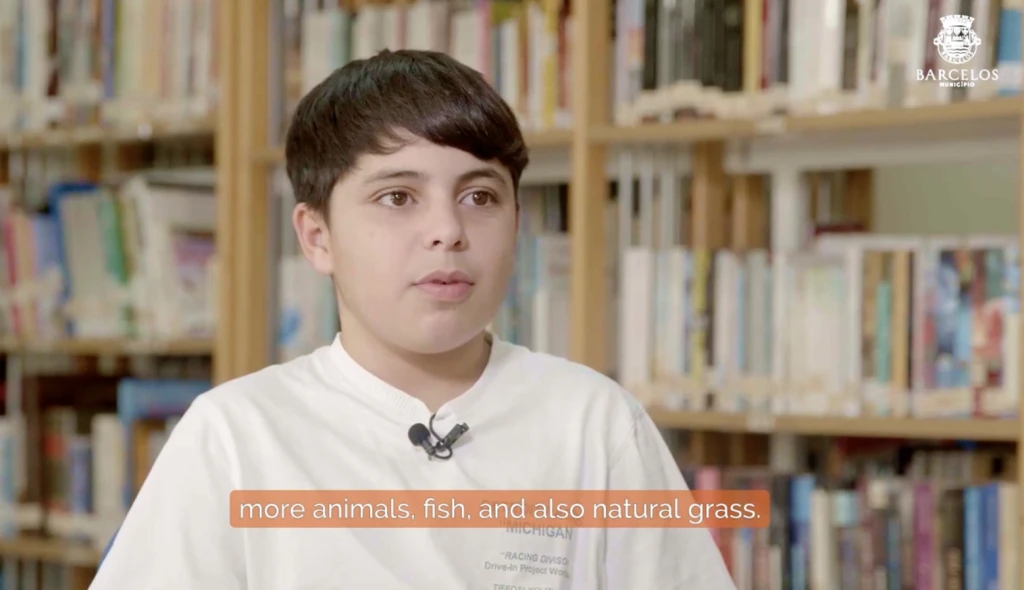
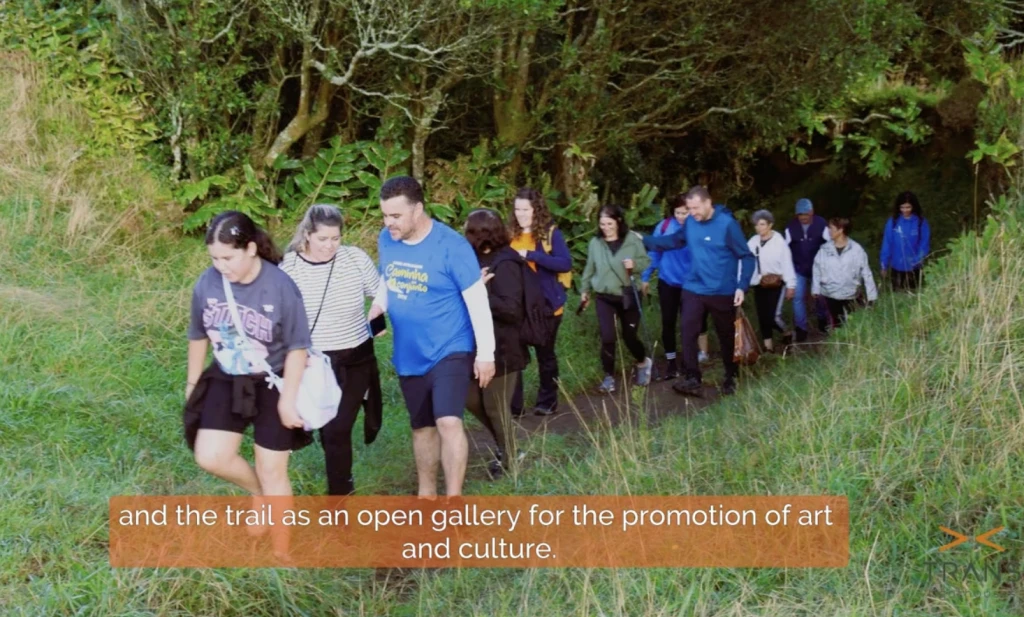
Two pilot experiences in Portugal further expand this perspective. In Barcelos, “Playground is Nature” shows how schoolyards can become living environments where children, educators and communities co-create spaces that nurture ecological awareness and intergenerational exchange. In the Azores, the “Janela do Inferno” trail reveals how nature-based solutions linked to walking paths and landscape stewardship contribute simultaneously to well-being, health and local development, reinforcing the idea that caring for nature and caring for people are deeply interconnected.
Together, these videos do more than communicate project activities. They function as community-driven narratives that make visible the social dimensions of nature-based solutions and the role of young people as active contributors to change. By involving local actors in shaping the narratives, the series supports more situated and participatory forms of knowledge sharing and interpretation. Each film offers a glimpse into ongoing processes of transformation as they unfold across different contexts.
In TRANS-lighthouses, communication is understood as part of the transformation itself. By sharing these situated experiences, the video series helps bridge the gap between concepts and lived realities, inviting wider audiences to reflect on how nature-based solutions emerge through relationships, participation and care.
Ready to step inside our Living Knowledge Labs?
Regenerative Farming | Roskilde, Denmark
Mater Composta Bioterritorial | Cáceres, Spain
Playground is Nature | Barcelos, Portugal
Trail Janela do Inferno | Azores, Portugal
Featured image
Bioterritorial composting in Cáceres. Caption: Video screenshot reflecting local perspectives on composting and the need for these practices “to reach the population”. Credits: Viração & Jangada. Source: Video “Mater Composta Bioterritorial | Cáceres, Spain”.
Column images
1. Regenerative farming in Roskilde. Caption: Video screenshot highlighting how regenerative practices are described as “connecting people closer to the soil.” Credits: Viração & Jangada. Source: Video “Regenerative Farming | Roskilde, Denmark”.
2. Nature-based learning in Barcelos. Caption: Video screenshot capturing children’s ideas for their school environment, including “more animals, fish and natural grass.” Credits: Viração & Jangada. Source: Video “Playground is Nature | Barcelos, Portugal”.
3. Community trail in the Azores. Caption: Video screenshot describing the trail “as an open gallery for the promotion of art and culture. Credits: Viração & Jangada. Source: Video “Trail Janela do Inferno | Azores, Portugal”.
Step into the Living Knowledge Labs at the heart of TRANS-lighthouses through our new video series, produced by our partner Jangada. These short films give space to the voices, practices and places where nature-based solutions are being co-created every day, with a strong focus on youth engagement, intergenerational dialogue and community-driven communication. From regenerative farming and bioterritorial composting to nature-rich schoolyards and community trails, the first four videos invite us to look beyond outcomes and explore how learning, social mobilisation and care for nature take shape across diverse local contexts. Stay tuned for the next four videos, which will complete the series.
Inside the series
At the heart of TRANS-lighthouses lies a shared conviction: nature-based solutions are not only technical interventions, but collective processes shaped by people, places and relationships. This new video series, created by our partner Jangada, brings these processes closer to the public by foregrounding the voices and everyday practices emerging from the project’s Living Knowledge Labs.
Rather than showcasing finished results, the videos document how change takes shape in practice, through learning and unlearning, experimentation, dialogue and care. They reveal how diverse forms of knowledge coexist and interact: scientific expertise, local experience, cultural memory and embodied relationships with nature. In doing so, the series invites viewers to see nature-based solutions not as fixed models, but as evolving processes grounded in specific social and ecological contexts.
The journey begins in Roskilde, Denmark, where a network of young farmers is developing regenerative agricultural practices rooted in cooperation and shared learning. The video highlights how regeneration is not only about restoring ecosystems, but also about rethinking social and economic relationships with land, food and work. It captures how collective action enables new forms of stewardship and responsibility towards nature.
In Cáceres, Spain, the focus shifts to bioterritorial composting systems that connect urban and rural areas through circular practices. By transforming organic waste into a shared resource, local actors close ecological loops while strengthening collaboration between communities, municipalities and producers. The video illustrates how environmental practices become spaces for social innovation, dialogue and collective decision-making.
Two pilot experiences in Portugal further expand this perspective. In Barcelos, “Playground is Nature” shows how schoolyards can become living environments where children, educators and communities co-create spaces that nurture ecological awareness and intergenerational exchange. In the Azores, the “Janela do Inferno” trail reveals how nature-based solutions linked to walking paths and landscape stewardship contribute simultaneously to well-being, health and local development, reinforcing the idea that caring for nature and caring for people are deeply interconnected.
Together, these videos do more than communicate project activities. They function as community-driven narratives that make visible the social dimensions of nature-based solutions and the role of young people as active contributors to change. By involving local actors in shaping the narratives, the series supports more situated and participatory forms of knowledge sharing and interpretation. Each film offers a glimpse into ongoing processes of transformation as they unfold across different contexts.
In TRANS-lighthouses, communication is understood as part of the transformation itself. By sharing these situated experiences, the video series helps bridge the gap between concepts and lived realities, inviting wider audiences to reflect on how nature-based solutions emerge through relationships, participation and care.
Ready to step inside our Living Knowledge Labs?
Regenerative Farming | Roskilde, Denmark
Mater Composta Bioterritorial | Cáceres, Spain
Playground is Nature | Barcelos, Portugal
Trail Janela do Inferno | Azores, Portugal
Featured image
Bioterritorial composting in Cáceres. Caption: Video screenshot reflecting local perspectives on composting and the need for these practices “to reach the population”. Credits: Viração & Jangada. Source: Video “Mater Composta Bioterritorial | Cáceres, Spain”.
Column images
1. Regenerative farming in Roskilde. Caption: Video screenshot highlighting how regenerative practices are described as “connecting people closer to the soil.” Credits: Viração & Jangada. Source: Video “Regenerative Farming | Roskilde, Denmark”.
2. Nature-based learning in Barcelos. Caption: Video screenshot capturing children’s ideas for their school environment, including “more animals, fish and natural grass.” Credits: Viração & Jangada. Source: Video “Playground is Nature | Barcelos, Portugal”.
3. Community trail in the Azores. Caption: Video screenshot describing the trail “as an open gallery for the promotion of art and culture. Credits: Viração & Jangada. Source: Video “Trail Janela do Inferno | Azores, Portugal”.